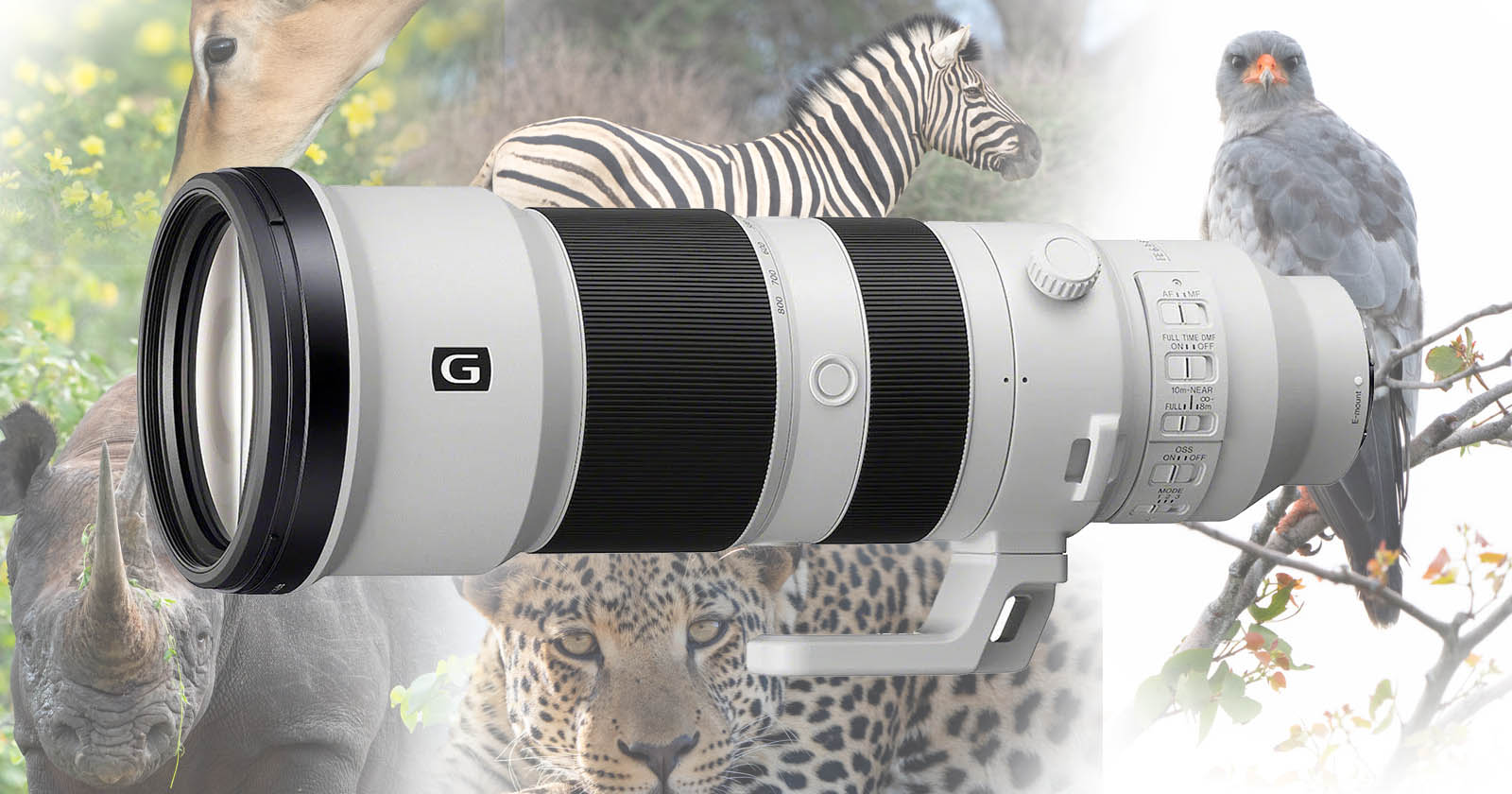
After I heard about Sony’s new FE 400-800mm f/6.3-8 G OSS, I used to be excited. As a flora and fauna photographer, the enchantment of a lens with 800mm achieve in a zoom structure is simple.
Previous this month I took it to Namibia, the place I spent every week placing it via its paces at Ongava Recreation Reserve and Okonjima Nature Reserve. My objective was once easy: to find out whether or not this lens may earn an everlasting spot in my package.
First Impressions

From the instant I picked up the 400-800mm, it was once transparent that Sony had thinking about steadiness and usefulness. The inner zoom mechanism is a huge win, averting the transferring steadiness that you just frequently get with telescoping designs. The lens maintains its period during the zoom vary, which no longer handiest makes it more straightforward to take care of but additionally prevents mud consumption—an actual bonus when operating in dusty environments that I frequently come across in Africa. The lens is similar to the 200-600mm and no longer a lot greater, so it felt acquainted from the outset.
The lens weighs 2.77kg (6.1 lbs), which isn’t precisely light-weight, nevertheless it’s remarkably manageable bearing in mind the 800mm achieve. I spent lengthy days handholding the lens, together with from the cramped confines of a automobile, and not felt that it was once unwieldy or too heavy. The graceful zoom ring with its brief throw allowed for fast and actual changes, which helped me compose my pictures very easily.

Autofocus
Autofocus efficiency is significant when the use of an extended lens, and the 400-800mm didn’t disappoint. The high-speed linear motors delivered instant and correct focusing, even if transitioning between close to and a long way topics. The monitoring functions had been on par with Sony’s G Grasp lenses, making it a useful tool for shooting fast-moving flora and fauna.
Whilst the sunshine light, the autofocus remained dependable all the way down to the purpose the place the picture high quality began to degrade on account of the extraordinarily excessive ISOs I used to be having to shoot at.
Aperture and Low-Gentle Efficiency
With an aperture vary of f/6.3 to f/8, the 400-800mm isn’t a low-light specialist, nevertheless it plays smartly in herbal mild. Regardless of the f/8 aperture, I discovered I used to be ready to succeed in excellent topic isolation with gratifying bokeh, and effectively blurred foreground crops, due to the lengthy focal period.

Because the solar’s power light, I had to push the ISO fairly excessive, however fashionable cameras take care of excessive ISOs smartly, and blended with denoising instrument, I discovered I may nonetheless get completely useable photographs in maximum scenarios.
In fact, the low-light efficiency of instant top lenses is significantly higher. On the other hand, the flexibility of the zoom and the prolonged achieve outweighed the low-light demanding situations in lots of scenarios. Whilst you then additionally think about portability, value, and versatility, the 400-800mm turns into an excessively compelling choice.
Pushing the Limits with a 2x Teleconverter
I used to be skeptical about pairing the 400-800mm with a 2x teleconverter, successfully turning it into an 800-1600mm f/13-16 lens. To my marvel, the setup was once fairly usable. Capturing from a conceal, I controlled to get sharp photographs by way of resting the lens for steadiness.


The autofocus remained purposeful in excellent mild, and I discovered animal-eye AF labored fairly smartly even at 1600mm f/16.

Evaluating to the 200-600mm and 100-400mm
In my lens comparability video, I examined the 400-800mm along the 200-600mm f/5.6-6.3 G and the 100-400mm f/4.5-5.6 GM. Each and every lens has distinctive strengths, and the precise selection depends on your particular wishes:
100-400mm: A very good choice for trip because of its compact measurement and brighter aperture, nevertheless it lacks the achieve wanted for far-off flora and fauna and small birds. A teleconverter will also be added to increase the achieve, however this answer does no longer fit the efficiency of the longer local zooms.
200-600mm: A excellent all-rounder with interior zoom, providing a excellent steadiness of achieve and flexibility. It’s excellent for many who desire a unmarried telephoto answer, however in lots of scenarios, an additional 200mm can be helpful. On the large finish, it’s extra flexible than the 400-800mm because the 200mm focal period can come with much more context.
400-800mm: The longest achieve of the trio, handing over spectacular effects with sturdy autofocus efficiency. Whilst the f/8 aperture is a attention in low mild, the advantages in excellent mild and hand held usability make this my most well-liked choice for flora and fauna images.


Actual-world Advantages of a Zoom
The 400-800mm inspired me no longer simply with its achieve, however with its real-world practicality. The power to zoom out and in allowed me to seize the animals of their setting in addition to tight portraits. The lens proved precious when I discovered Namibia’s panorama blanketed in yellow vegetation—I may pull again for context or zoom in for element, adapting to the inventive alternatives offered by way of the colourful atmosphere.
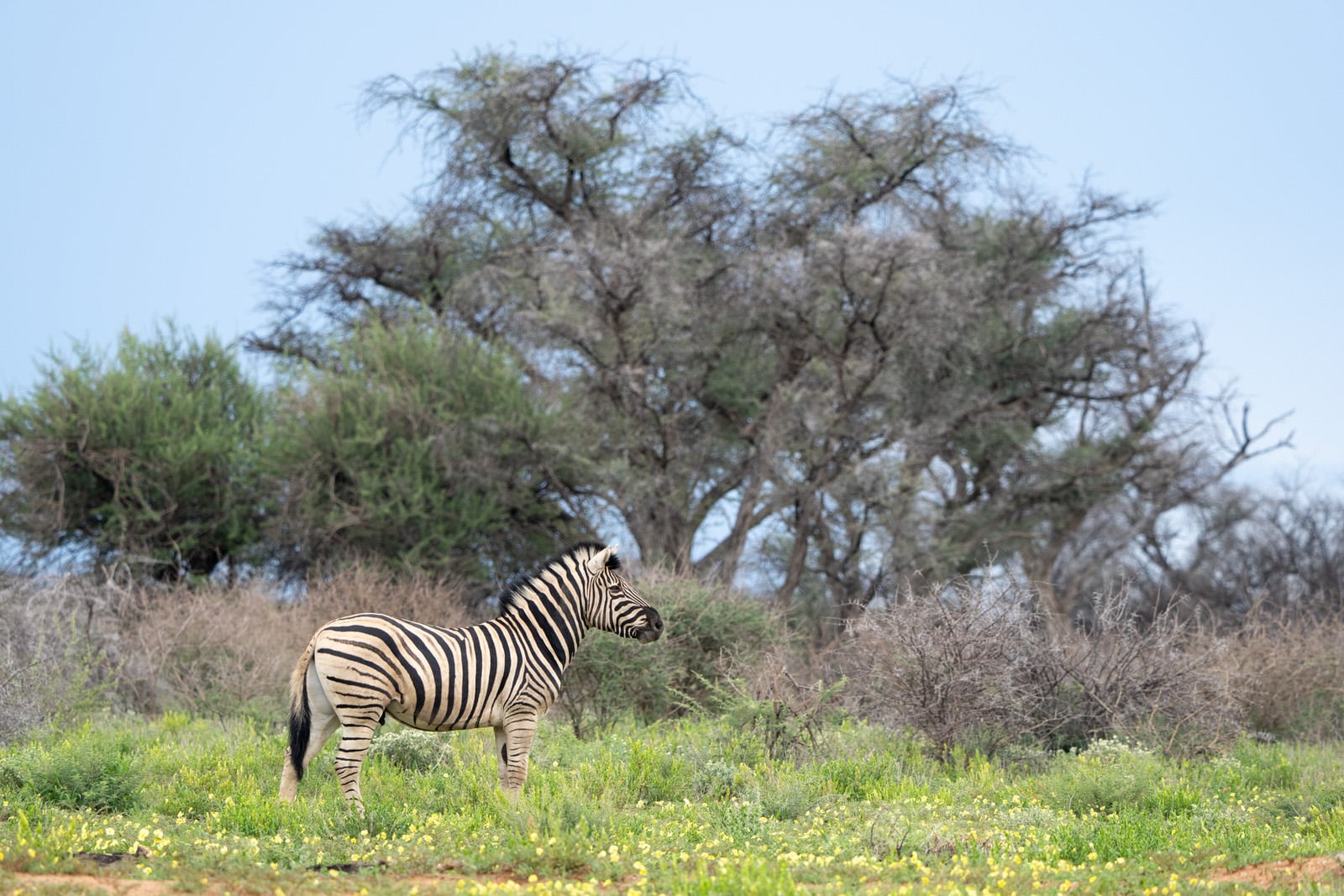


This underscores how treasured a zoom lens will also be on safari, the place automobile positioning restrictions frequently save you you from converting your distance to the topic. The 400-800mm allowed me to make compositional possible choices that will were inconceivable with a set focal period.


Ultimate Ideas
The Sony 400-800mm f/6.3-8 G OSS is a flexible lens that has exceeded my expectancies in lots of spaces. It provides a sensible steadiness of achieve, dealing with, and symbol high quality, specifically in excellent mild. Whilst it does have barriers in low-light prerequisites, those are manageable and frequently outweighed by way of the advantages of the zoom vary.
It is a lens I will see myself attaining for frequently, specifically for hen images and scenarios the place most achieve is wanted. It will no longer change quicker primes for each and every state of affairs, nevertheless it fills an opening in my digital camera bag that I didn’t know I had.

For a better take a look at how the 400-800mm carried out in Namibia, take a look at my box check video beneath, and in case you’re deciding between this and Sony’s different telephoto zooms, my lens comparability video above provides a complete breakdown.
Concerning the creator: Will Burrard-Lucas is a flora and fauna photographer, founding father of Camtraptions, and a Sony Ambassador. He dedicates a lot of his time to operating on long-term e-book and conservation initiatives in Africa. In finding out extra at www.willbl.com.