
Many people who’ve been round for the reason that transition from movie to virtual were the beneficiaries of inventions in digital camera generation. It’s been round 20 years of expansion in the precise path. Whilst some corporations have observed setbacks within the megapixel race, others have contributed greater than their fair proportion of latest developments.
On this reminiscing adventure, you’ll get to revisit one of the crucial cutting edge concepts that attention specific newsworthy options. Whilst a few of these won’t were the preferred fashions, they surely received the eye of producers who, generally, adopted go well with in long run product choices.
The Advent and Marketability of Stabilization
Solid your thoughts again to fifth March 2007 when Olympus unveiled the brand new E-510 (EVOLT E-510), a 10-megapixel digital camera that includes new Sensor-shift generation. Again then, virtual digital camera generation used to be leaping in leaps and limits as every producer would attempt to outdo the opposite. Megapixels have been the race, however Olympus made a brand new function stabilization that stuck the eye of all the business.

The use of the similar motor from a prior Supersonic Wave Pressure innovation, Olympus paired a operating sensor unit to locate vibrations from 1Hz to 7Hz. This fascinating innovation would imply photographers may just acquire a correction impact identical to a most of four publicity price steps. Whilst this correction used to be massive on the time, it’s no fit for nowadays’s IBIS (In-Frame Symbol Stabilization) programs discovered in numerous producers’ builds, which offer double the quantity of stabilization.
A Critically Top-High quality Display
It’s at this level we want to point out Kodak. Sadly for the digital camera’s gross sales, the Kodak LS443 sat within the shadows whilst the others performed within the box. You’ll put this right down to Kodak’s loss of life after they filed for chapter in the similar 12 months because the digital camera free up in 2012.
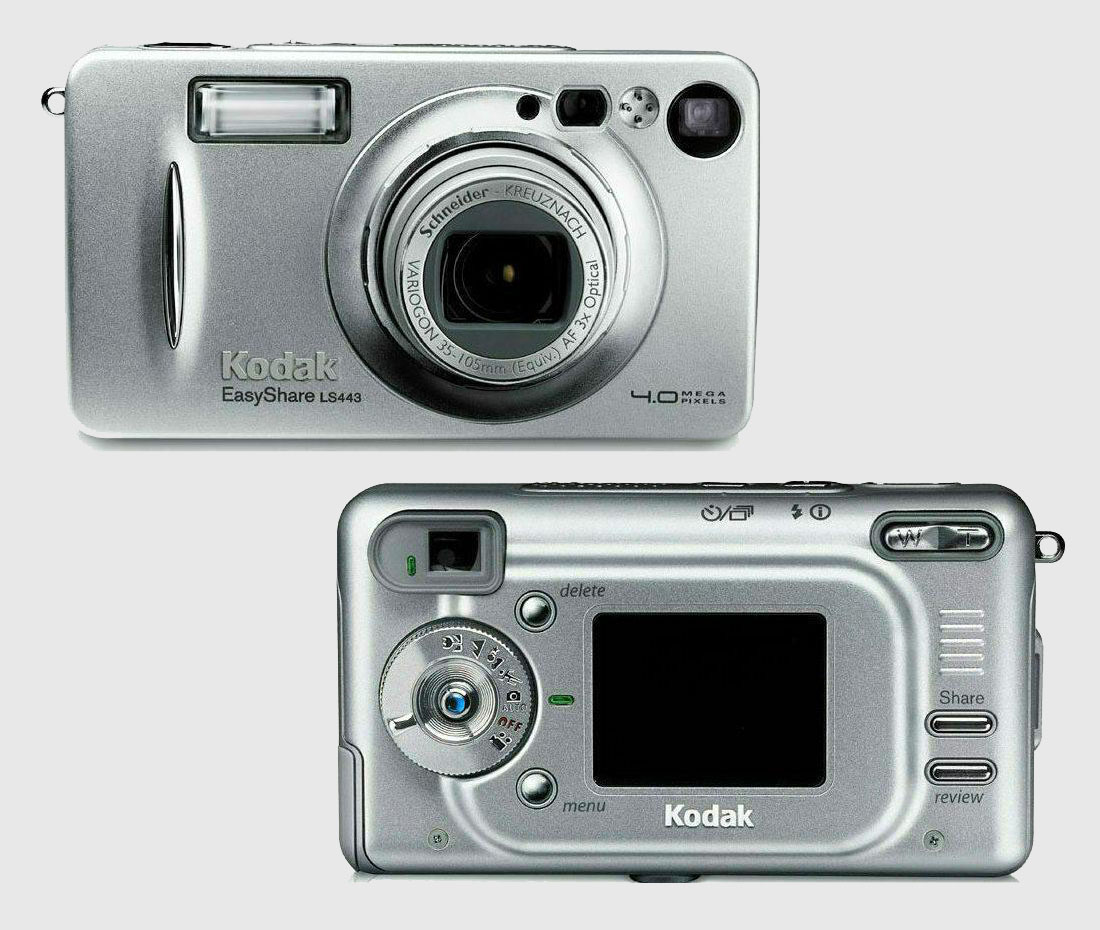
What’s exceptional about this digital camera is the creation of an OLED rear LCD. Whilst this generation discovered its approach into different industries, Kodak introduced the tech to its consumer-grade 4MP digital camera. The merit used to be customers may just see footage in complete colour for the primary time, without reference to the viewing attitude. The versatility of viewing is due to the OLED’s talent to change into a self-emitting gentle supply moderately than depending on a separate exterior gentle supply to show a picture.
Whilst OLED by no means stuck on in rear displays because of prime prices, the innovation has formed the best way we see via digital viewfinders in nowadays’s fashions. To call a couple of, cameras such because the Nikon Z fc, Sony Alpha 1, and Fujifilm X-Pro3 all use some type of XGA OLED or Quad-VGA OLED microdisplay EVF, which permits the viewer to look a clearer symbol with much less lag.
An Impactful Zoom
Early virtual digital camera fashions shared a commonplace 3x or 4x optical zoom period. To realize additional achieve, producers curious about virtual zoom. The race in optical zoom didn’t get started till Nikon offered the Coolpix 5700 in Might 2002. This digital camera beast inspired shoppers with a usable 8x optical zoom (35-280mm 35mm identical).

Since then, optical zoom has been a figuring out issue for shoppers wishing to shop for a compact or bridge (SLR-like) digital camera. 10x to 15x optical zoom turned into the norm for many higher-end cameras within the following years, however a long time on, we now have observed additional construction with some other of Nikon’s releases. The Coolpix P1000 continues Nikon’s legacy of making spectacular zooms with an added wide-angle. With 125x optical zoom (24-3000mm 35mm identical) beneath the hood, generation turns out to grasp no obstacles making it a profitable aggregate within the eyes of the sports activities and flora and fauna lovers.
A New Bounce For Cinematographers
Take into account when camcorders or, as Sony referred to as them, Handycams have been the entire rage? Ahead of 2008 they was once the one credible technique to acquire cinematic photos. Then again, in November 2008, Canon would introduce a 35mm full-frame game-changer within the type of the second one technology of the Canon EOS 5D.

This Mark II model set a brand new point of cinematic high quality from DSLR. The preferred digital camera used to be the primary to shoot broadcast high quality Complete HD video, making productions undertake the digital camera frame as a discrete, inexpensive selection. Tv manufacturing famously used the digital camera in Episode 22 of the American scientific drama Space, which aired in Might 2010. Prior to this, there used to be a smattering of manufacturing properties the use of the digital camera, together with the BBC and Saturday Night time Are living.
This type of soar in cinematography used to be simplest conceivable with the help of unfastened instrument referred to as Magic Lantern, which ran along Canon’s personal. All that used to be required used to be to insert the ‘higher’ firmware on an SD card. Cinematographers may just then keep watch over the H264 bitrate, report HDR video, observe and manually keep watch over audio, and use center of attention lend a hand gear. With out this best possible pairing of digital camera and instrument, we’d have in all probability needed to wait a number of extra years for producers to construct options cinematographers have been crying out for. This open-source construction manner displays the ability of collaboration and its affect at the business.
Since then, we’ve observed additional construction from producers because the race to an 8K usual matures, however a lot more must be executed referring to open-sourcing digital camera instrument to look extra inventions past a product free up.
Confronting The Noise
In case you’ve been on this recreation for greater than ten years, you’ve certainly had a digital camera accountable of manufacturing noise at larger ISOs. For plenty of photographers, communicate of capturing at ISO 100 or 200 used to be all too commonplace in caution rookies to the gap about virtual noise. This dialog used to be on repeat till Sony’s noise-munching flagship got here within the type of the Sony a7 in overdue 2013. This digital camera used to be some of the first to turn indicators of decreased noise whilst keeping up symbol sharpness in point of fact, specifically as much as ISO 1600.
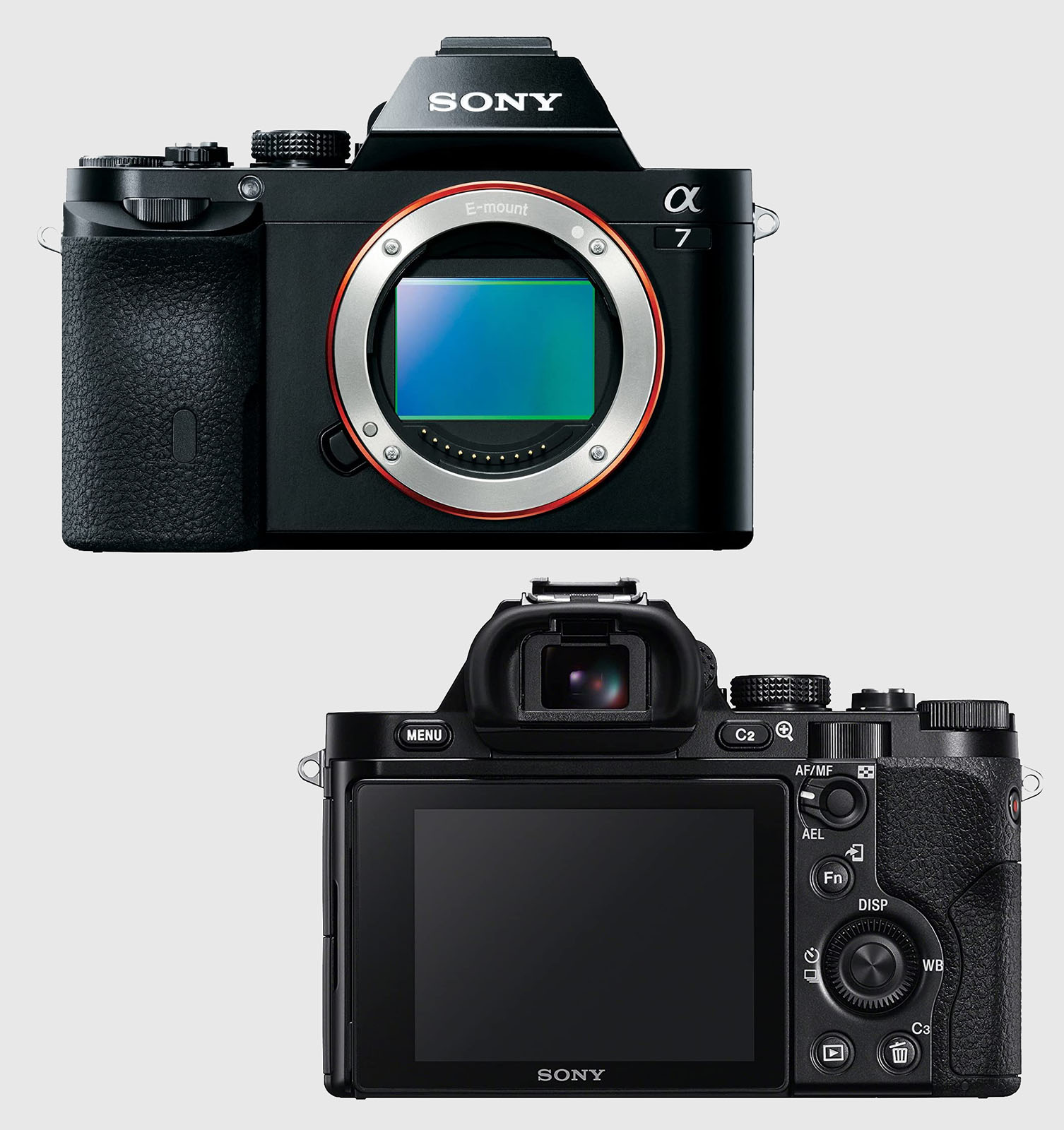
Transferring on from the digital camera that began all of it, Sony knew they have been directly to a winner, so additional construction within the Sony a7 II (launched in 2014), a7 III (launched in 2007), and a7 IV (launched in 2021) hurled efforts in confronting prime ISO noise. Sony’s generation wasn’t restricted to its cameras. In 2015, many different producers would proceed or get started the use of its newly created sensor trade, ‘Sony Semiconductor Answers,’ which might see deliberate releases of sensor generation after Sony put the brand new sensors in its cameras.
Worthy For Inclusion
The Fujifilm X100 has to have a point out right here. Its progressive design, partly for lots of skilled photographers, introduced a way of a laugh again into images.

The fastened 28mm focal period of the X100 would problem photographers to consider composition and timing, one thing Leica customers regularly mentioned. Then again, the hybrid viewfinder used to be considered one of its greatest achievements, which supplied customers with both an optical or digital viewfinder. The generation has since persevered throughout Fujifilm’s flagship mirrorless rangefinder fashions.
A Bridge for a Main Producer
The place would the business be with out Sony coming into the gap?
Many rookies won’t know that Sony inherited a lot of the generation of its first DSLRs. Over the years the DSLR designs and generation advanced to what we see in nowadays’s mirrorless fashions. However sooner than that, kudos has to visit Konica Minolta’s 7D. It used to be the remaining DSLR style produced through Konica Minolta sooner than Sony received the digital camera trade in 2006. So in some way, you want to say Konica Minolta impressed a lot of Sony’s first DSLR designs, which developed and resulted in what we see in nowadays’s mirrorless cameras.

Whilst there are surely many different digital camera fashions and inventions corresponding to sensor cleansing, wi-fi keep watch over, reminiscence card generation, and others, a key takeaway for the business has been the extent of expansion proven within the remaining decade. There’s been a pivot from transferring bins (a time period well known within the wholesale business for promoting entry-level cameras) to construction cutting-edge cameras that meet the expanding want of lovers and execs.
The force at the back of this shift is due to globalization and the ability of social networking. Digicam producer headquarters have advanced two-way conversations with pros due to native subsidiaries. Their comments in construction purposes and contours inside of a product’s ergonomic design has been essential to the luck of a person digital camera style.
Let’s hope the following choice of a long time additional increase past the extent of producing design we’ve observed. It’s going to be a thrilling adventure as a brand new generation of stacked and curved sensors collide with Ai, AR, and VR whilst taking inspiration from an expanding smartphone feature-rich marketplace.