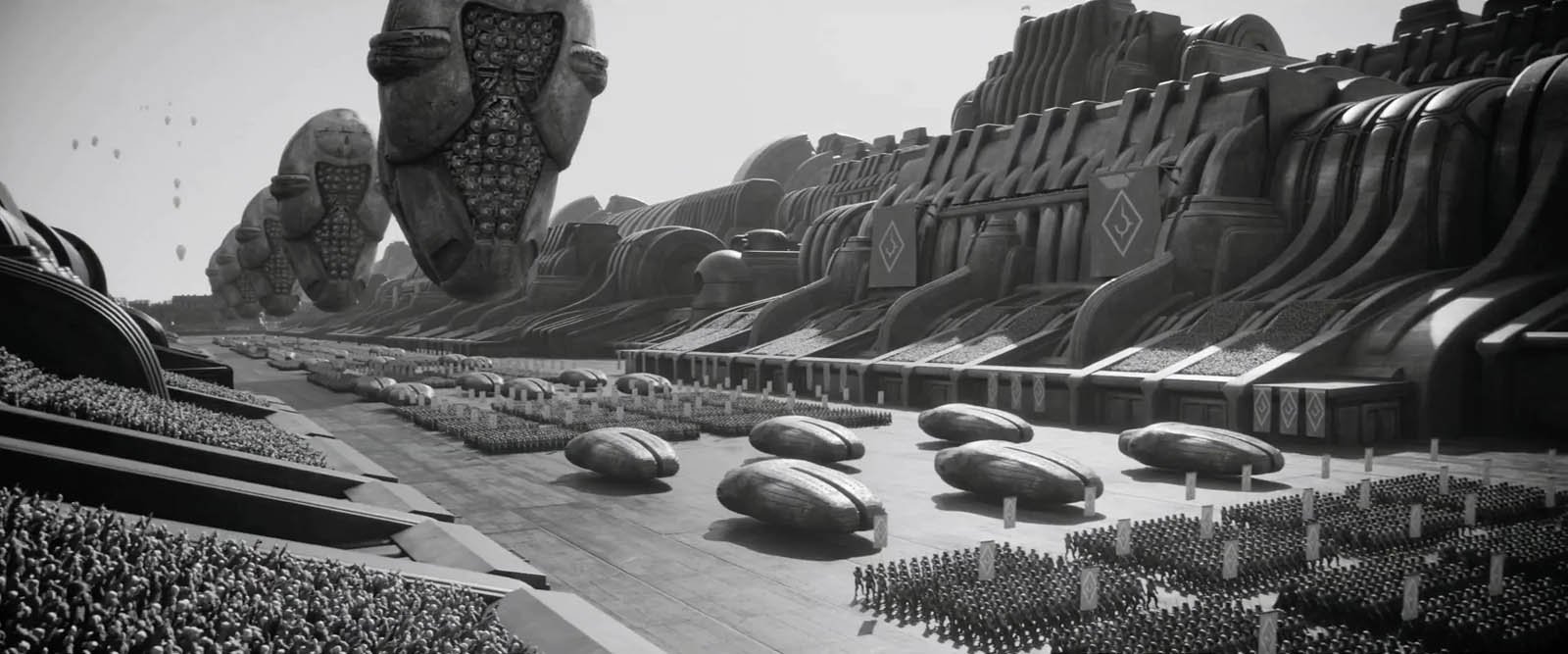
Dune: Phase II was once lately launched in theaters, garnering certain evaluations from movie-goers and reviewers alike. Over at Kolari, we have been hyped to peer infrared pictures utilized in one in all its maximum visually shocking film sequences in fresh reminiscence.
With none primary spoilers, the impact is used at the Harkonnen homeworld, Giedi Top: a poisoned and industrialized global, full of towns of black, beetle-like skyscrapers and gladiatorial arenas. In stark distinction to the structures, the sunshine produced via this planet’s solar provides the denizens an inhumanly faded complexion. To understand the guide’s depiction of the villainous Harkonnen homeworld and its population, infrared pictures was once used to render this imagery at the large display screen.
What’s Infrared Pictures?
Infrared pictures we could us seize an invisible and regularly alien global. The human eye can see wavelengths from about 400nm–700nm (from red to pink). Infrared gentle exists in wavelengths past 700nm.
Infrared has a protracted historical past in cinema however is regularly used for technical functions or particular results at the back of the scenes. We’ve provided our filters to Lucas Movies for use for movement seize of infrared paint dots for The Irishman. Hoyte van Hoytema lately pioneered a use for infrared to simulate middle of the night scenes shot in huge sunlight the use of infrared in a twin digicam device, profiting from how infrared makes skies seem black in sunlight. Handiest an infrared specialist would be capable of come across the usage of infrared in those scenes, which is why we have been so excited to peer Dune show off the actual aesthetic probabilities of infrared cinematography.
Infrared is most well liked for its results on landscapes. Relying at the filter out used, blue skies regularly turn into black or blue, and leaves can turn into white or pink. Purple filters are regularly utilized in Hollywood to make pores and skin seem extra clean, however infrared filters enlarge this impact to a surprising excessive. For those who move deep sufficient into the infrared spectrum of sunshine, pores and skin turns into translucent to the purpose the place you’ll be able to if truth be told see veins. Eyes can glance otherworldly with unnaturally lucid irises. Steadily, productions use the decrease, milder variants of infrared to stay the fashions taking a look somewhat customary, like in Russ’s tune video and Netflix’s live-action Avatar: The Remaining Airbender. Different instances the unsettling glance is the objective, like Apocalyptica’s “Upward thrust” tune video, even supposing that is much less not unusual.

Learn how to Reach the “Harkonnen Impact”
The Harkonnen Impact is particularly black and white, however by some means, it seems to be mysterious and alien. Why? Not like vintage black-and-white pictures, Dune used infrared videography so as to add an airy aesthetic to the black-and-white scenes. Fabrics captured via infrared pictures, like foliage, skies, clothes, and pores and skin tones, will react in distinctive and every so often unpredictable tactics. Let’s discover how this works nearly via making an attempt to imitate infrared pictures from the sci-fi film. Our media workforce idea it might be a laugh to re-create this imagery with Kolari’s in-house equipment and proportion the method we used to succeed in it.
To shoot infrared, you’ll first want both an infrared-modified digicam or a complete spectrum digicam with filters. The most typical IR filters vary from 550nm (mildest impact) to 850nm (most powerful impact). Each and every filter out will supply other ends up in other eventualities. A full-spectrum conversion makes a virtual digicam delicate to UV, visual, and infrared gentle, permitting essentially the most flexibility and the power to modify between more than a few clip-in or lens filters to succeed in the required impact. Nearly all cameras may also be changed to shoot in infrared, ranging from the most affordable level and shoots, via DSLR and mirrorless cameras, in addition to Canon, Sony, Blackmagic, and Purple cinema cameras.
With post-processing, the use of 665nm permit you to succeed in B&W imagery. This filter out makes use of a mixture of visual and infrared gentle to supply false-color infrared. 720nm is excellent if you have an interest in taking pictures delicate colours and B&W. 780nm and 850nm produce upper distinction B&W imagery.
The Comparability Photographs


To recreate this portrait of Feyd-Rautha Harkonnen, we used a unmarried high-powered, infrared gentle and taped each and every aspect of the reflector to imitate the lights of the shot. It took some time to get the proper lights attitude—one thing too a ways top-down casted harsh shadows, particularly beneath Justin’s nostril, however this dramatic impact might be nice for different functions.


Between filters, we determined to shoot this scene with the 850nm filter out. 850nm lower out all the visual gentle and equipped essentially the most equivalent tones to the reference shot compared to the result of 665nm, 720nm, and 780nm—all of which move some point of visual gentle into the digicam. You’ll desire a high-power gentle if you happen to’re taking pictures this, as upper nanometer IR filters lower out extra gentle. Listed here are the consequences with each and every filter out:
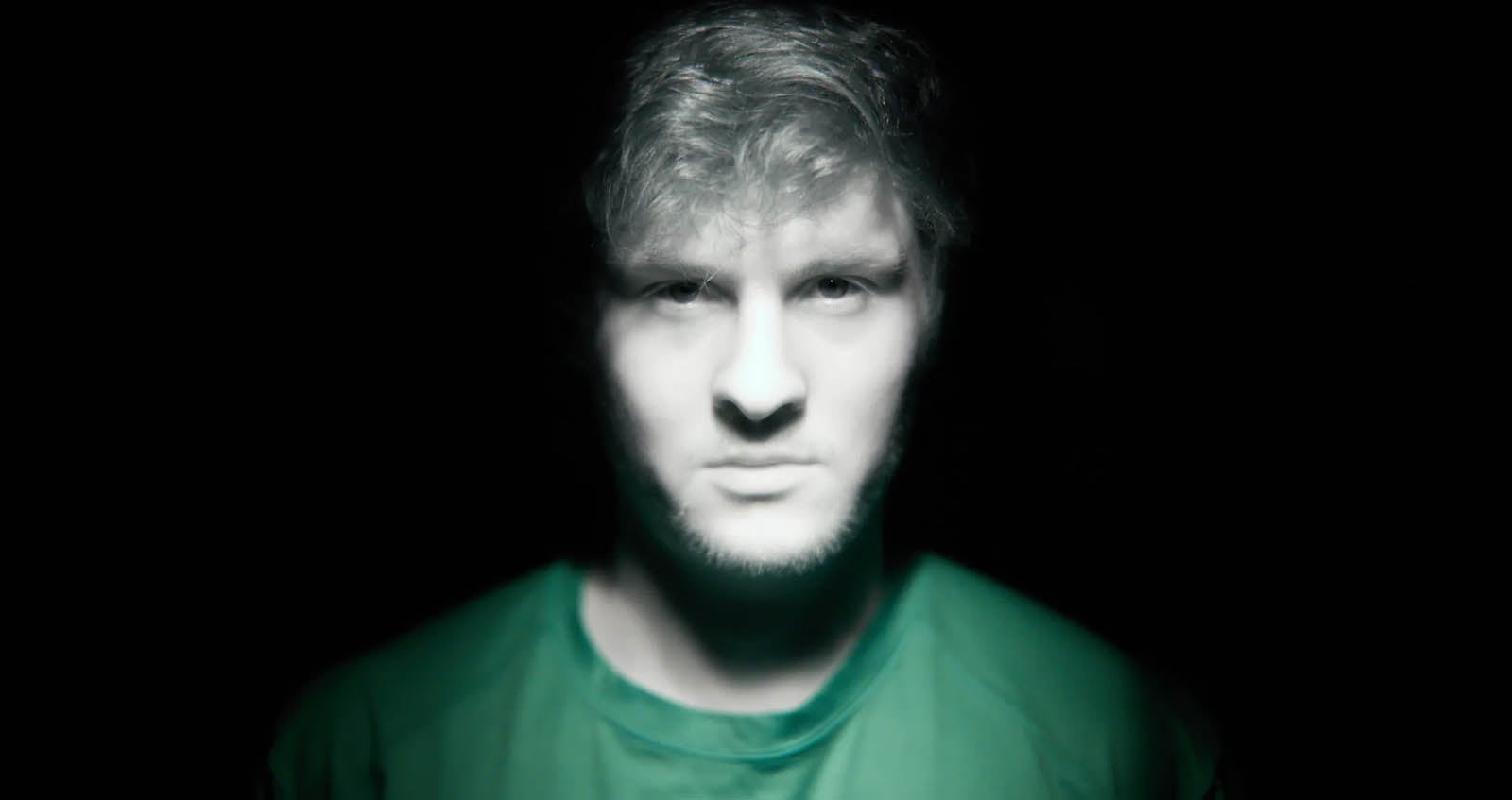


As you’ll be able to see above, Justin’s black blouse seems massively other between pictures concerned with each and every IR filter out. Cloth may also be in particular difficult for dress design—a fight for the Dune manufacturing as neatly. Many artificial black inks will turn into white in infrared, whilst naturally darkish pigments generally tend to stick darkish. This may every so often lead to white materials with visual darkish threads or different surprising problems. You are going to additionally understand some minor hue and distinction variations in his hair. Hair dye can regularly seem brighter in infrared. This will probably be necessary for a hair and make-up workforce to consider ahead of taking pictures in infrared on a film set. After all, all the Harkonnens are bald, so this wasn’t a subject matter in Dune!

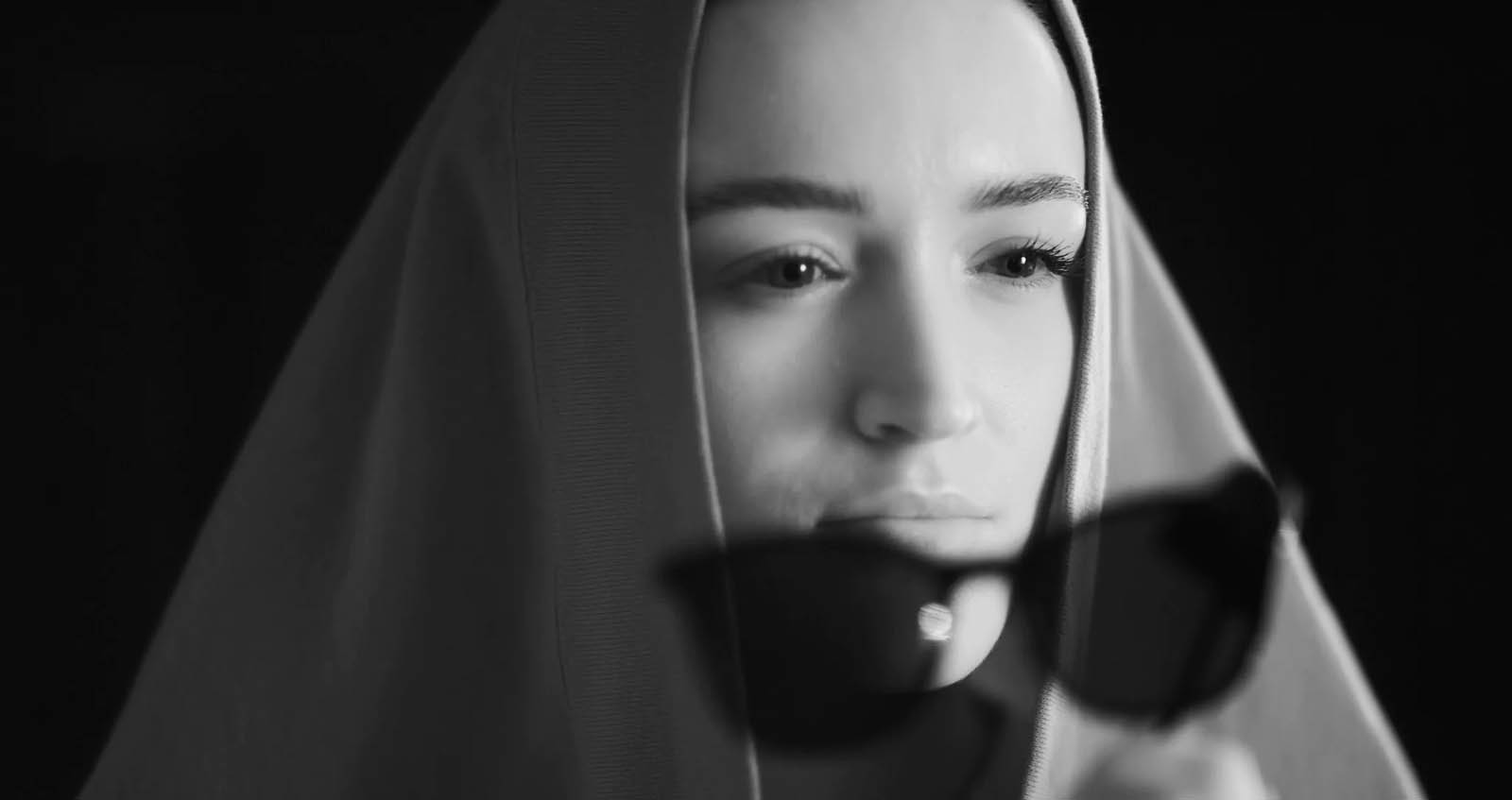
This shot of the Bene Gesserit agent, Margot Fenring, observing the spectacle on Giedi Top was once slightly more difficult to recreate. We had to seize the cushy lights of the scene, whilst additionally ensuring there was once sufficient lights to move via IR filters.
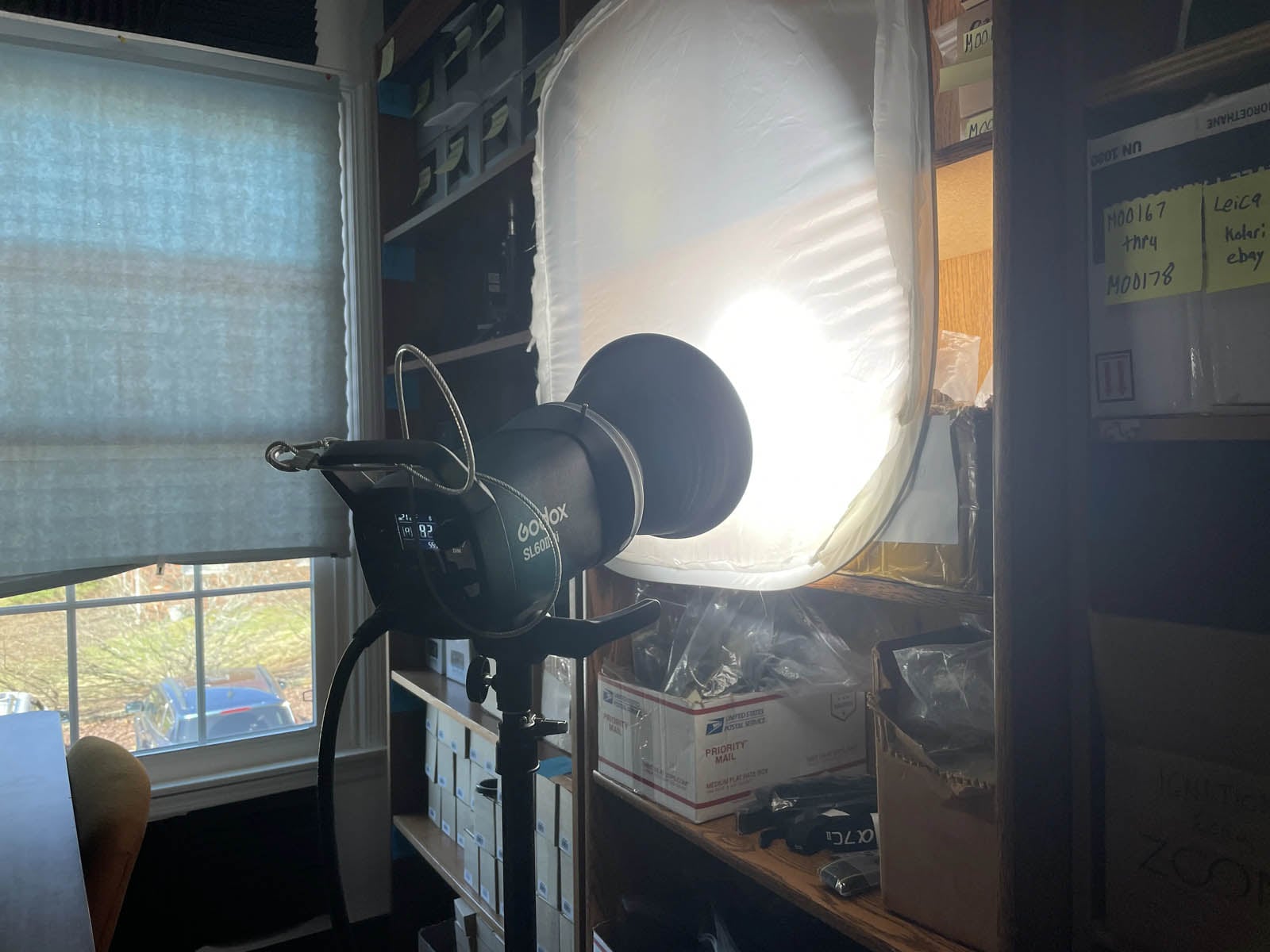

With a unmarried gentle, we bounced it to create cushy lights. It was once simply sufficient to make the shot paintings. In our check shot with our stand-in for the Bene Gessserit, Matt (as observed above), we have been in a position to nail the lights for Amber to take at the function of Margot Fenring.


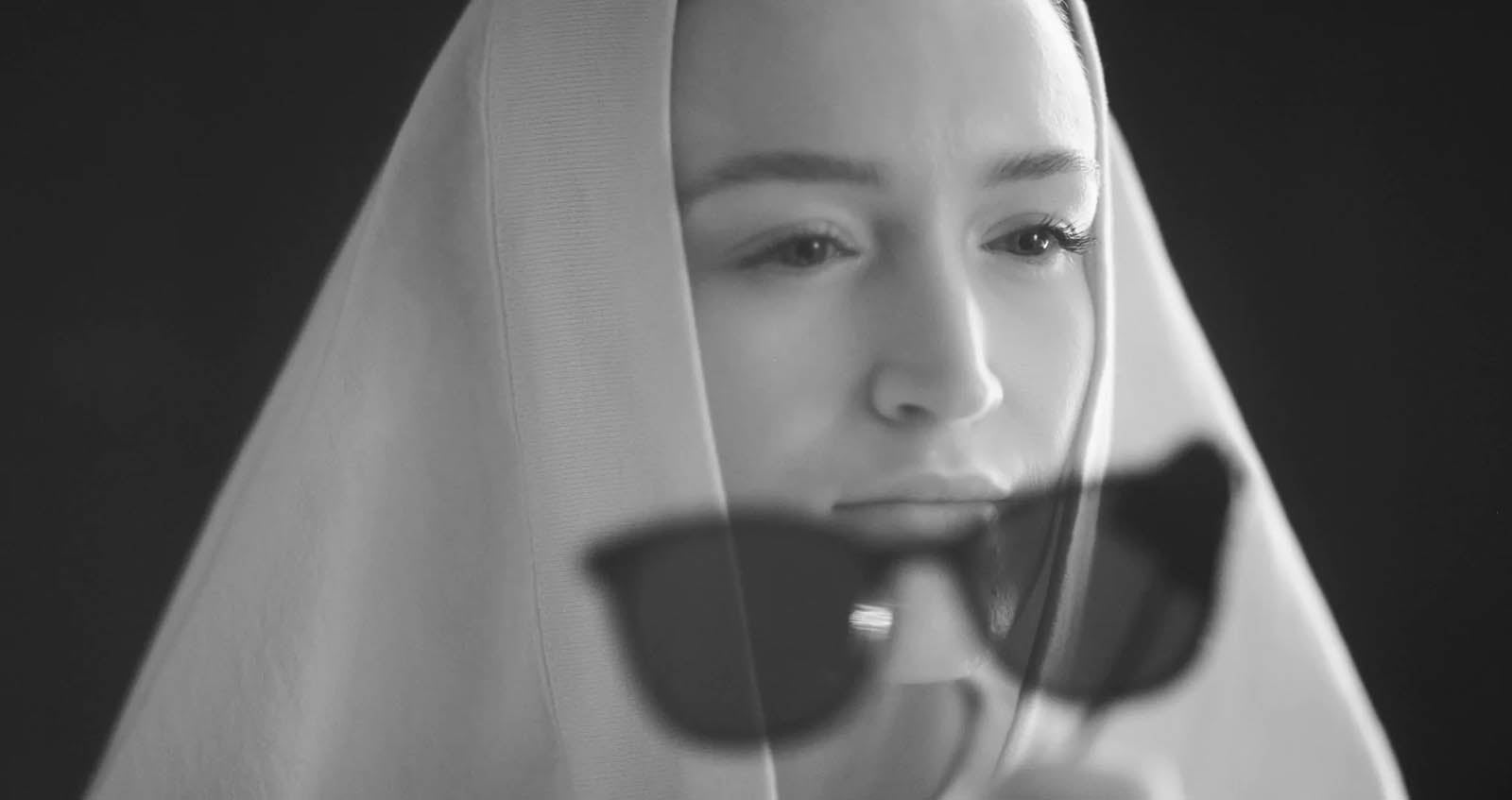

Whilst 850nm labored improbable in our first taking pictures, it didn’t paintings in any respect on this state of affairs. It made the lights too flat and lower out a majority of the important thing gentle on Amber’s face. You’ll see the lower in gentle from 665nm all of the technique to 850nm. Evaluate the 850nm shot to the use of 665nm together with desaturation—since 665nm filter out in part operates in visual gentle, it equipped us extra to paintings with in post-production.

Even though we didn’t have a colosseum or the correct lights to paintings with, we have been in a position to imitate the composition of Feyd-Rautha Harkonnen on this wide-angle shot. As you’ll be able to see beneath, the development of 665nm to 850nm equipped other effects compared to the reference. The colour hues are nonetheless provide at 665nm and 720nm however fade away going against 780nm and 850nm. Specifically with 665nm, the colour of the foliage pops when put next with the opposite IR wavelengths because it overlaps in part within the visual gentle spectrum. For this shot, 780nm turns out to paintings neatly. 850nm demonstrates how a sunny day may also be reworked right into a harsh and forbidding panorama.


Ultimate Ideas
Infrared videography is usually a tough software in growing an unfamiliar surroundings in a sci-fi film via revealing gentle in a spread of the electromagnetic spectrum that human eyes are not able to peer. It captures gentle this is past the visual spectrum, leading to surreal, color-distorted photographs. By means of the use of this system, filmmakers can heighten the sense of anxiety and intrigue via changing the belief of the scene via the target market, making strange landscapes or scenes seem uncanny and unsettling with a monochromatic palette this is distinct from conventional black and white. This distinct coloration palette can improve the eerie feeling of our environment, evoking a way of desolation or alienation of a creepy and immersive surroundings which was once used so neatly in Dune: Phase II.
Kolari has proven that you’ll be able to succeed in the “Harkonnen Impact” at house via infrared conversion of mirrorless cameras and infrared filters in many various shape components. You’ll use any infrared magnetic clip-in filters, drop-in filters for the Kolari EF-EOS R Drop-in Mount Adapter, or lens filters to succeed in this impact. You’ll use our filters to succeed in this impact, however to get the actual glory of the imagery of Dune: Phase II, you can preferably use a whole changed cinema digicam and one in all our huge structure cinema filters. IR isn’t restricted to black and white imagery: you’ll be able to use other LUTs and settings to tweak your visuals with otherworldly false-color infrared schemes to create your personal sci-fi masterpiece.
Concerning the writer: Phillip Andrew Iglesias is a photographer and media coordinator at Kolari Imaginative and prescient, which gives pro-level filter out optics and virtual digicam adjustments. The critiques expressed on this article are only the ones of the writer. This newsletter was once additionally revealed right here.