
The compact digicam, additionally identified colloquially because the point-and-shoot digicam, has been a staple of the images global for over a century. Most likely the primary mass-market compact digicam was once presented in 1900 through Eastman Kodak, costing an insignificant one buck (about $36 as of late).
Whilst it wasn’t precisely compact through as of late’s requirements, the Kodak Brownie was once downright tiny within the technology of large-format images. A easy cardboard field digicam, it featured an very simple fixed-focus convex-concave (meniscus) achromat lens and a rotary shutter with a hard and fast 1/fortieth of a 2nd velocity and used No. 117 roll movie (2.25” sq.). Promoting just about 1 / 4 of one million devices, Kodak would observe it up with the Brownie No. 2 in 1901, which proved to be a fair better good fortune.
From there, fixed-lens compacts have been produced through with reference to everybody. In 1949, Photograph-Pac presented the primary disposable digicam; 37 years later, Fujifilm presented the disposable QuickSnap, which turned into one of the crucial best-selling cameras ever.
In 2010, point-and-shoot cameras accounted for 52% of all pictures taken. Via the top of 2011, that quantity was once all the way down to 44%, with smartphones chargeable for 27% of pictures. Compact digicam gross sales dropped 40% in 2013, basically amongst lower-cost fashions, and in 2016, point-and-shoot gross sales have been 10% of what they have been at their top in 2008.
However we’ve not too long ago observed a resurgence in passion amongst more youthful audiences within the compact digicam marketplace. In reality, Fujifilm briefly halted orders for the Fujifilm X100V past due final yr because of surging call for, and Ricoh has introduced that the Ricoh GR III is so well-liked it might probably’t stay it on cabinets. Even the cost of used and discontinued fashions has soared. As of the writing of this text, KEH lists the unique Fujifilm X100 at $497 in cut price grade, whilst the X100F is simply over $1,350 — fifty greenbacks not up to the X100V’s MSRP.
With such immensely renewed passion in compact cameras, what higher time to record our tips for the ones looking for one? We have now damaged this record down into seven classes designed to fit a lot of customers and wishes.
At a Look
Absolute best Total Compact: Fujifilm X100V
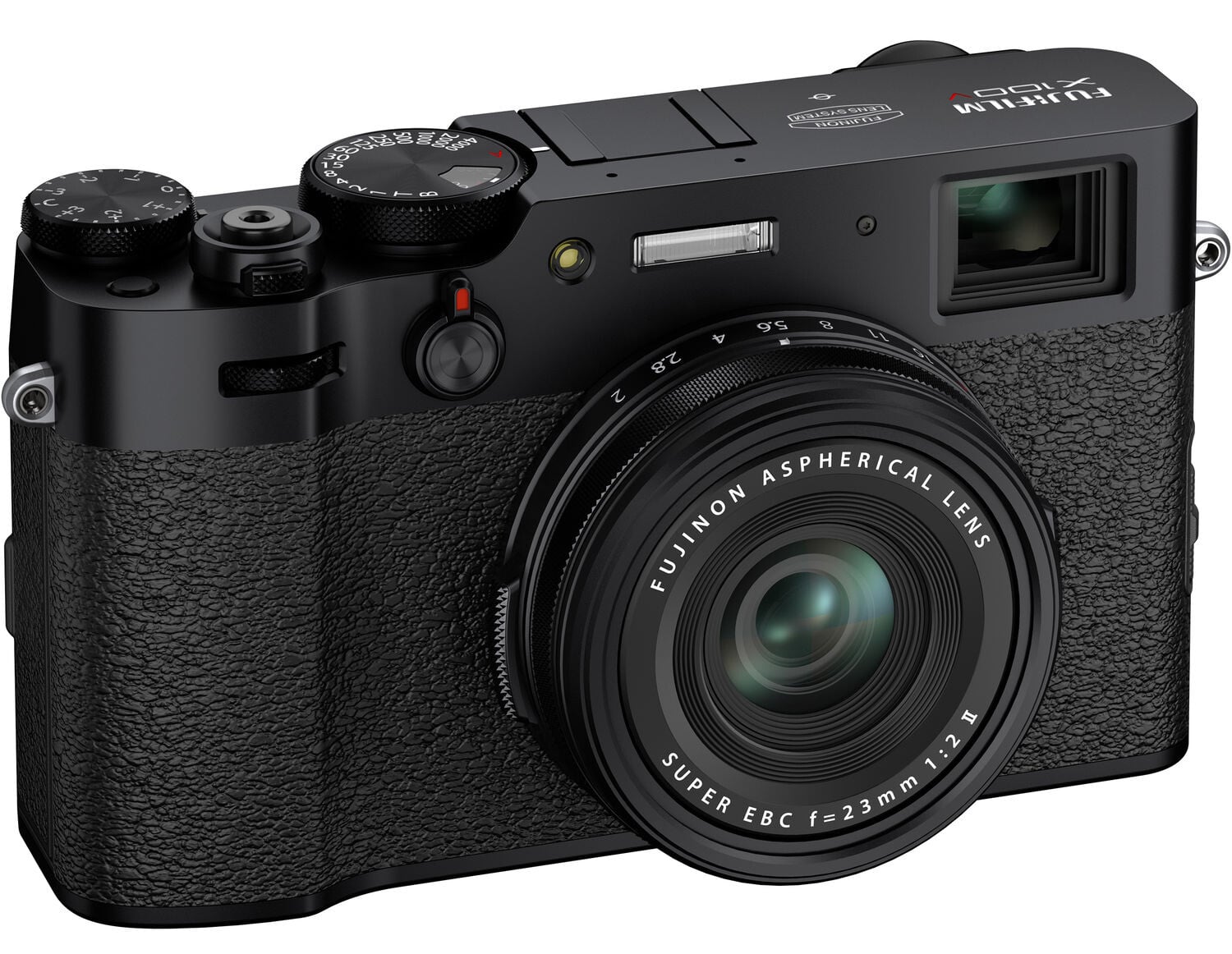
Sure, I simply talked at period about how the Fujifilm X100V is out of inventory nearly in all places in lots of (if no longer maximum) nations. However Fujifilm has no longer discontinued the digicam — that will be borderline insane given its reputation — and it’ll unquestionably go back to cabinets in due time.
Within the interim, you’ll keep looking for used cameras or attempt to to find someplace that can have some in inventory in case you’re fortunate. Those are one of the best possible puts to buy used images tools — Adorama, KEH Digital camera, and UsedPhotoPro (Robert’s Digital camera) are my absolute favorites, with new used apparatus added day by day.
The Fujifilm X100V is Fuji’s 5th type within the X100 line of compact cameras, which the corporate first introduced in 2011. Launched in 2020, the X100V options the fourth-generation X-Trans IV sensor with 26.1 megapixels from the X-Pro3 and, for the primary time, the 23mm f/2.0 lens (35mm full-frame equal) has been redesigned to reinforce wide-aperture close-ups and normal nook efficiency. At the side of the brand new sensor, it additionally inherits the X-Processor 4 from the X-Pro3 and an advanced autofocus machine with higher steady AF monitoring and eye detection.
The hybrid digital/optical viewfinder — a characteristic distinctive to Fujifilm — is now an OLED panel. It’s additionally better than the X100F’s viewfinder and better solution with 3.69m-dots. The three.0” 1.62m-dot LCD display screen is now each tiltable and touch-capable. It’s an development in with reference to each unmarried means, but it surely does lose the d-pad — regardless of having room for it — which is an unlucky pattern for plenty of Fujifilm fashions.
Rounding out the record of spectacular specs is a 20 fps burst charge (the usage of the digital shutter), interior 4-stop ND clear out, DCI 4K at as much as 30p and 200 Mbps, complete HD at as much as 120p, Eterna movie simulation and F-Log gamma, and 10-bit 4:2:2 recording out by way of micro-HDMI. A USB-C 3.2 Gen 1 port has additionally been added, which helps in-camera charging and audio tracking by way of an adapter.
In any case, the Fujifilm AR-X100 Adapter Ring is to be had, permitting the lens to simply accept 49mm threaded filters and weather-sealing the digicam. A large-angle conversion lens, the Fujifilm WCL-X100 II, turns the lens right into a 28mm-equivalent. Conversely, the Fujifilm TCL-X100 II Tele Conversion Lens converts it to a 50mm-equivalent.
Absolute best Total Compact Zoom: Sony DSC-RX100 VII

The 7th type in Sony’s RX100 line, the Sony DCS-RX100 VII, is a in truth out of the ordinary digicam that no longer handiest suits to your pocket however comprises an excellent zoom vary. That includes a Zeiss Vario-Sonnar T* f/2.8-4.5 lens with an equal zoom vary of 24-200mm, the RX100 VII will duvet with reference to maximum eventualities that you must stumble upon. A 20.1MP Kind-1 Exmor RS stacked sensor sits on the center of the digicam and — together with the revised BIONZ X symbol processor and built-in DRAM — permits blackout-free capturing at as much as 20 fps with steady autofocus and autoexposure. With publicity and concentration locked, the digicam is in a position to as much as 90 fps for seven frames.
Autofocus is impeccable, with 60 AF/AE calculations in line with 2nd, 357 phase-detection, and 425 contrast-detection concentration issues. The digicam can make the most of Sony’s lauded Actual-time Monitoring, which makes use of AI to trace transferring topics. Actual-time Eye AF, which goes with each animals and people, may be on faucet.
At the video entrance, the RX100 VII is in a position to UHD 4K with full-pixel readout and no binning in Sony’s XAVC-S layout at as much as 100 Mb/s. For individuals who want better latitude in post-processing, the digicam gives HLG (Hybrid Log Gamma) and S-Log2 / S-Log3 gamma curves. A devoted HFR (excessive body charge) mode permits customers to shoot as much as 960 fps.
The RX100 VII, like several earlier RX100 fashions, is impressively compact given no longer handiest the {photograph} specs it packs within but in addition as a result of its pop-up OLED digital viewfinder with 2.36m-dots and Zeiss T* coating. The rear touchscreen LCD will each tilt and fold out, making an allowance for a spread of 180 levels upward and 90 levels downward.
Absolute best Compact for Boulevard Pictures: Ricoh GR III / GR IIIx

Of the entire cameras in this record — and in all probability of all cameras lately in the marketplace out of doors of Leica M rangefinders — the Ricoh GR line without delay dates again to the movie technology. Like Leica M cameras, it has no longer modified a lot because the advent of the unique type, the Ricoh GR1, in 1996. Ricoh would then move on to provide a lot of variants, together with the GR21 (21mm lens).
The Ricoh GR III, launched in 2018, is the 7th within the virtual GR line, which started with the GR Virtual in 2005. In 2013, Ricoh launched the Ricoh GR, which — just like the Fujifilm X100 — contained an overly broad APS-C sensor. The GR II, launched in 2015, was once mainly the similar because the GR, with a couple of minor tweaks. However the GR III was once radically other.
The GR III featured each a brand new sensor and a brand new lens; the sensor was once bumped from 16MP to 24MP, and the 18.3mm lens (28mm full-frame equal) f/2.8 lens now featured six components (two aspherical) in 4 teams over the GR/GR II’s 7 detail/5 organization design. Whilst that can sound like a downgrade, it’s not — the unique 7/5 lens was once completely incredible, and the brand new one is even higher. Sharp nook to nook, even wide-open, with outstanding flare resistance, the GR III’s lens is without doubt one of the splendid 28mm equivalents in any digicam. It additionally produces reasonably beautiful solar stars stopped down.
In 2020, Ricoh responded the prayers of many customers and launched a complementary type: the Ricoh GR IIIx with a 40mm f/2.8 equal lens composed of seven components (two aspherical) in 5 teams. The digicam is, in each wrong way, just like its wider-angle sibling.
Along the GR IIIx, Ricoh evolved a brand new 1.5x GT-2 Teleconverter, which, when used with the best Ricoh GA-2 adapter ring, turns the lens right into a 75mm-equivalent through robotically attractive the digicam’s crop mode to 15MP.
Each cameras now characteristic 3-axis in-body symbol stabilization, on-sensor part detection autofocus, a integrated ND clear out, AA-filter simulation, ultrasonic sensor cleansing, and a USB Kind-C port. Naturally, the cameras retain one of the crucial splendid options of the Ricoh GR cameras: snap concentration, through which the digicam will robotically bounce to a specified concentration distance with a complete press of the shutter button. Along its compact, fit-in-your-jeans-pocket shape issue, the snap concentration is a side road photographer’s dream. It lets in a person to snap a photograph by way of zone focusing with necessarily 0 lag with out switching between guide and autofocus modes.
Absolute best Superzoom Compact: Sony Cyber-shot DSC-RX10 IV
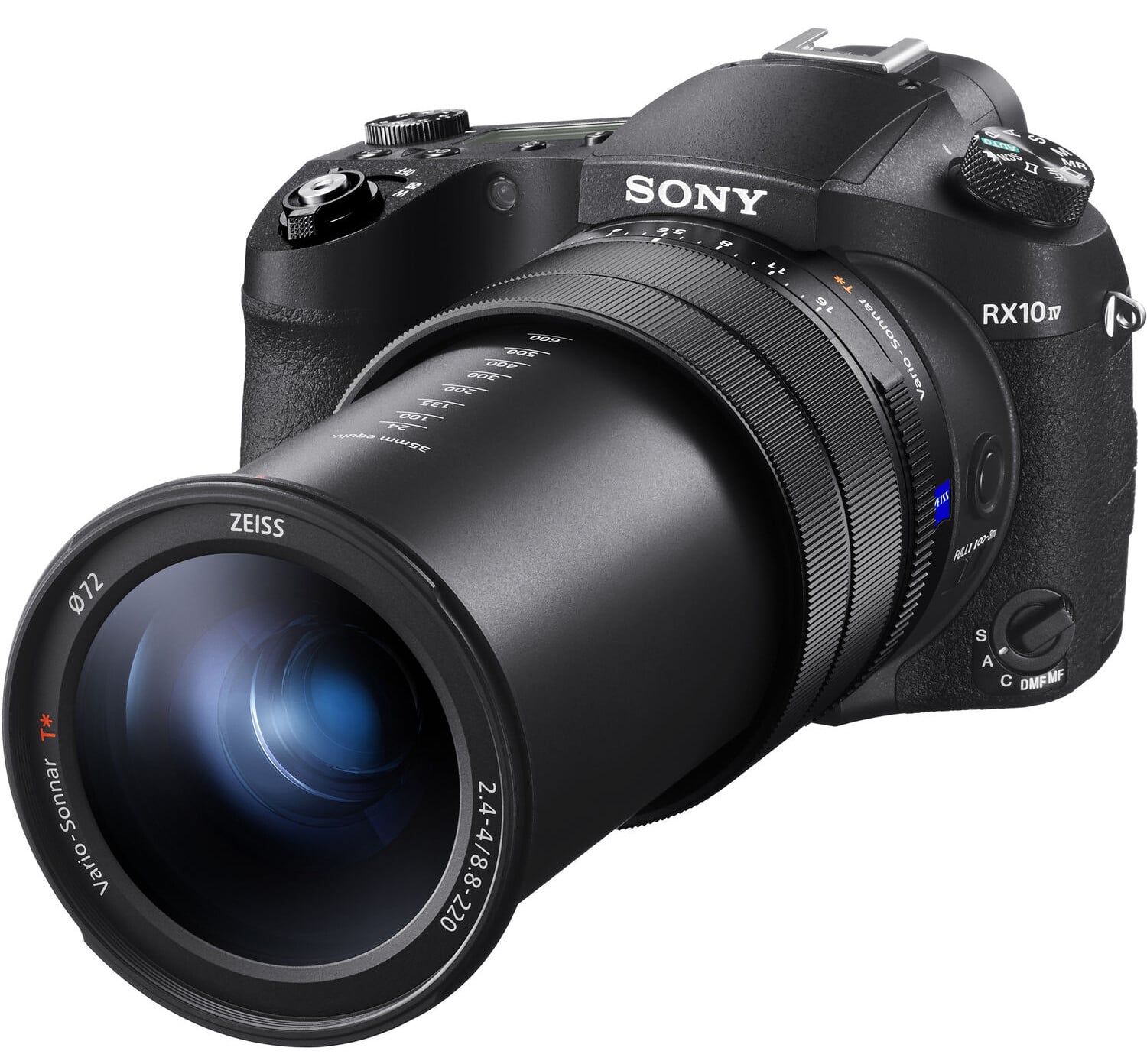
The Sony Cyber-shot DSC-RX10 IV would possibly stretch the label of “compact digicam” for plenty of — it does weigh 2.41 kilos (1095 grams), in spite of everything. However whilst you imagine the downright astonishing focal vary, it doesn’t appear very broad in any respect.
Incorporating a Zeiss Vario-Sonnar lens with a 24-600mm equal focal vary and a most aperture of f/2.4-4, the RX10 IV swings for the fences. In spite of its 25x zoom vary, the lens is a remarkably stellar performer — unquestionably largely because of its advanced 18-element / 13-group optical design, which comprises a minimum of 8 extra-low dispersion components, 5 aspherical components, and one “complex aspherical” detail, all of which do a very good process controlling chromatic and round aberration and keeping up excessive transmission. Optical SteadyShot symbol stabilization may be incorporated, rated for as much as 4.5 stops.
Inside of, you’ll to find the similar backside-illuminated, stacked 20.1MP sensor discovered within the Sony RX100 VII and Sony ZV-1 our bodies. Like the ones cameras, the RX10 IV includes a high-speed hybrid autofocus machine. Then again, it’s in a position to just a little sooner burst speeds — 24 frames in line with 2nd whilst the usage of autofocus monitoring and autoexposure. The RX10 IV additionally comprises an AF-A method, robotically switching between AF-S and AF-C relying at the scenario.

The ergonomics of the RX10 IV are most likely the most efficient of any Sony digicam, harkening again to the times of Minolta and Sony A-mount cameras. A considerable and intensely relaxed grip, publicity reimbursement dial, most sensible panel LCD show, built-in pop-up flash, flexible tilting touchscreen, entrance concentration mode transfer, and a de-clickable aperture ring make this probably the most well-balanced and downright amusing cameras.
Absolute best Top class Compact: Leica Q3

When maximum photographers recall to mind top class cameras, Leica is without doubt one of the first manufacturers to return to thoughts. Its cameras have a tendency to elicit very robust reactions — folks both love them or to find them to be overpriced jewellery (and supposedly one thing that many dentists purchase for some reason why). I’ve owned a couple of Leicas over time and lately personal a Leica M3 and Leica CL (movie model). I additionally were given to check out out the Leica M11 ahead of its liberate, which was once the primary time I had only a few court cases a few Leica M digicam.
However Leica’s Q sequence is also its splendid dealer and is unquestionably one among their splendid cameras. Sure, it’s dear at $5,995. However bearing in mind you get each a Leica physique and a 28mm Summilux lens, it kind of feels like relatively a cut price.
The Leica Q3 is without doubt one of the best cameras the Wetzlar-based corporate has ever made. Fitted with the most efficient sensor ever installed a Leica physique — the similar 60.3MP BSI full-frame sensor discovered within the Leica M11 — it’s in a position to astonishingly nice effects. Now not handiest is the sensor the most efficient Leica has ever used, however it is usually the most effective non-medium layout sensors in the marketplace. Dynamic vary suits the Sony a7RIV and a7RV, which most probably use the similar base sensor, however the Leica Q3 holds the threshold at upper ISOs because of decrease chroma noise. It additionally includes a base ISO of 64 — two-thirds of a give up not up to Sony’s ISO 100 — making an allowance for awesome colour, tonality, and noise.
Just like the M11, the Q3 options “Triple Answer Era” — which provides pixel-binned 36MP and 18MP choices along with the complete 60MP solution. Whilst Leica claims enhanced dynamic vary in those modes, my assessments discovered no merit to the in-camera binned pictures and downsampling in submit, rather than saving area. The 60MP sensor additionally lets in for a lot of crop modes: 1.25x (simulating 35mm), 1.8x (simulating 50mm), 2.7x (simulating 75mm), and three.2x (simulating 90mm). Those would lead to photographs with 38.6, 18.5, 8.3, and 5.9 megapixels, respectively.
New to the Q3 is an up to date OLED EVF with 5.76m-dots and excessive 0.79x magnification, a tilting rear LCD, part detection autofocus (in addition to CDAF and DFD), DCI 8K as much as 30p with 10-bit 4:2:0 internally, ProRes 422 HQ internally (Complete HD as much as 60p), and the brand new Maestro IV processor with 8GB of buffer reminiscence. The physique is IP52 rated in opposition to mud and moisture, and advanced wi-fi connectivity — together with each Wi-Fi 2.4 GHz and 5 GHz, together with Bluetooth 5.0 — together with a USB-C Gen 2 port permit for both wi-fi or stressed tethering the usage of the up to date Leica FOTOS App. Leica exists as one of the crucial few producers to enforce wi-fi tethering correctly — it simply works.
Something that hasn’t modified from the unique Q and the Q2 is the lens — just because it’s a really perfect optic. With a 28mm focal period and intensely rapid f/1.7 aperture, the Q3’s Summilux lens is without doubt one of the quickest in a compact digicam and, blended with the full-frame sensor, makes for a low-light beast.
Sure, the Leica Q3 is costly, but it surely’s additionally a pleasure to make use of. The picture high quality is unbeatable, and I may just see myself the usage of one for the following ten years. However in case you imagine that the Leica 28/1.4 Summilux-M ASPH prices $1,800 greater than the Q3, the fee doesn’t appear relatively so terrible.
Any likelihood anyone can present me six grand?
Absolute best Compact for Video/Vlogging: Sony ZV-1 / ZV-1 II
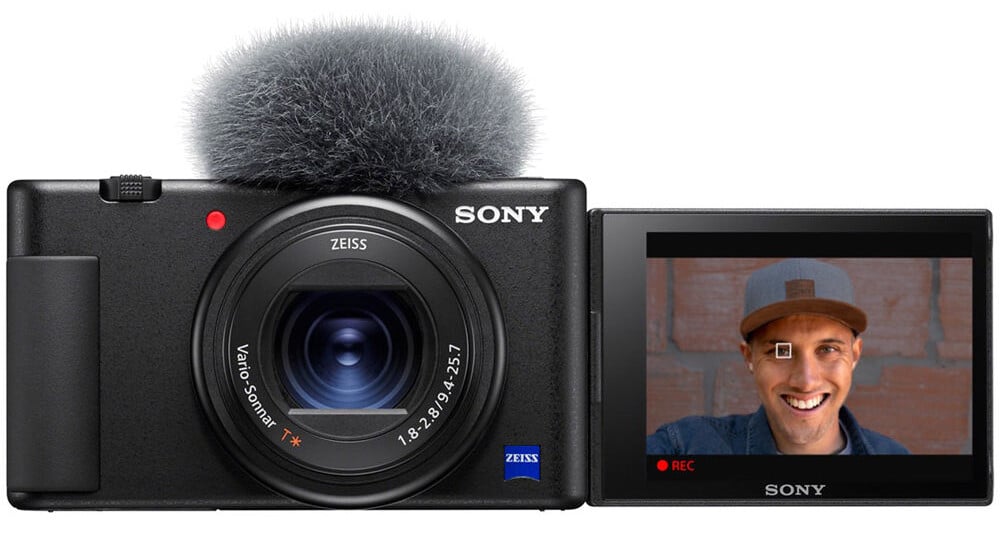
A sibling to Sony’s RX100 sequence, the ZV-1 cameras are aimed squarely on the video and vlogging crowd. An excellent video digicam — particularly one geared toward vloggers — calls for superb autofocus monitoring, a flip-out LCD display screen for selfie tracking, high quality audio functions, and a tight zoom vary with a quick aperture.
The Sony ZV-1 cameras satisfy those necessities, and, as an added bonus, Sony gives two distinct fashions.
The Sony ZV-1 and Sony ZV-1 II characteristic a flip-out 3.0” touchscreen, directional 3-capsule microphone (windscreen incorporated), reside social media and conferencing by way of USB, a entrance tally lamp, a big REC button situated at the most sensible plate, multi-interface shoe for quite a lot of equipment, 3.5mm microphone port, and Lively SteadyShot which mixes optical and digital symbol stabilization to scale back digicam shake through as much as 11 instances.
Each cameras additionally use the similar 20.1MP Kind-1 Exmor RS stacked sensor discovered within the Sony RX100 VII, which permits fast efficiency, low rolling shutter, and superb Actual-Time Monitoring and Actual-Time Eye AF. Options comparable to Product Exhibit, Background Defocus, Comfortable Pores and skin Impact, and Face Precedence Auto-Publicity permit the digicam to compete with the computational components of contemporary smartphones. UHD 4K video is supported at as much as 30p, with Hybrid Log Gamma (HLG) and each S-Log2 and S-Log3 to be had for extra complex customers.
The place the 2 cameras diverge is within the lenses. The Sony ZV-1 includes a Zeiss 24-70 (equal) f/1.8-2.8 Vario-Sonnar lens, whilst the Sony ZV-1 II is fitted with a wider-angle Zeiss 18-50 (equal) f/1.8-4 Vario-Sonnar lens. The previous is most certainly splendid for many customers, given its more 20mm of achieve at the lengthy finish and aperture that could be a complete give up sooner. However, some customers, particularly vloggers who ceaselessly report themselves, would possibly to find themselves wanting the broader focal period choices of the ZV-1 II.
Sony additionally launched a hard and fast focal period digicam, the Sony ZV-1F, however I counsel fending off it in any respect prices. It boasts a 20mm equal f/2.0 Zeiss Tessar lens, which is of enough high quality. Then again, it lacks a lot of necessary options of the zoom lens fashions: it does no longer have a stacked sensor, part detection autofocus, interior ND filters, optical symbol stabilization, a headphone jack, or the facility to shoot RAW pictures. The non-stacked sensor leads to horrendous rolling shutter, and the loss of hybrid autofocus results in “flutter” because the video hunts for concentration. Moreover, the ZV-1 II is 2mm wider and a 3rd of a give up sooner.
Absolute best Water resistant Compact: Olympus Difficult TG-6

Some of the extra important markets for low-price compact cameras is water-resistant compacts — Sony, Ricoh, Olympus, Kodak, DJI, GoPro, SeaLife, Minolta, and Coleman all produce no less than one water-resistant compact type this is indexed on both B&H Photograph or Adorama. And, naturally, Amazon is stuffed with reasonable, no-name emblem variants. A overwhelming majority of those cameras are available underneath $500. However none fit as much as the Olympus Difficult TG-6.
I’ve widely used rugged, water-resistant compacts from Ricoh, Fujifilm, Nikon, and Sony. And none have come with reference to the standard of the Olympus TG sequence. I all the time purchased those cameras for my father to {photograph} his paintings, which comes to numerous grimy, dusty, rainy environments and heavy guide hard work. He can not child his cameras. I first bought him an Olympus TG-4, and then I turned into a convert to the TG line.
The Olympus TG-6 options, through a ways, the most efficient symbol high quality of any compact, rugged, water-resistant digicam. Its 12MP BSI sensor, which is in fact relatively much less solution than the 16MP in prior fashions, is a Kind-1/2.3 in a position to ISO 100 to 1600 (as much as 12,800 in prolonged mode). In entrance of the sensor is a 25-100mm (FF-equivalent) f/2.0-4.9 zoom lens. 4 separate capturing modes within the Variable Macro machine permit focusing as shut as one centimeter. Sensor-shift symbol stabilization — one thing no longer discovered in lots of water-resistant compacts — can yield as much as 2.5 stops of shake aid.
The TG-6 comprises a Box Sensor Device, which incorporates a GPS module, manometer, compass, and temperature sensor, all of which may also be embedded within the EXIF information of pictures. Integrated Wi-Fi lets in for wi-fi tethering to smartphones. The digicam is water-resistant rated for as much as 50 ft with an IPX8 ranking, freezeproof down to fourteen levels Fahrenheit, shockproof from falls as much as 7 ft, crushproof as much as 100kgf (220lbf) of drive, and IP6X dustproof rated.
Moreover, the TG-6 has equipment that no different cameras like this have, to my wisdom. Some of the nicest may be one of the crucial most straightforward: the Olympus LB-T01 Lens Barrier, which protects the glass that covers the lens when no longer in use and may also be opened through merely rotating the outer ring. I’ve skilled the lens duvet glass getting scratched — or the coating dressed in off — on a number of different cameras, so this can be a superb not obligatory accent. The Olympus FD-1 Flash Diffuser in a similar way attaches across the lens and funnels the sunshine from the digicam’s integrated flash to light up topics extra flippantly in entrance of the lens, whilst the Olympus LG-1 LED Macro Ring Mild attaches in the similar means however makes use of the digicam’s integrated LED gentle for illumination. And, will have to you wish to have to increase the underwater ranking to 147 ft, the Olympus PT-059 Underwater Housing is to be had.
Most likely it isn’t surprising that Petapixel declared the TG-6 the most efficient water-resistant digicam for less than $500. And that’s indisputably true.
The one niggle is that previous this month, Olympus formally discontinued the digicam. Then again, it’s nonetheless in inventory at maximum on-line shops, and I strongly suspect a successor will substitute it — it’s been over 4 years since its liberate, so in all probability it’s time. However regardless of that, you can not move mistaken with the Olympus TG-6.
Symbol credit: Header photograph authorized by way of Depositphotos.